Introduction
Knowing when to plant fruits and vegetables is just as important as knowing how to grow them. Timing determines whether your garden thrives or struggles.
This seasonal planting guide will help beginners and experienced gardeners understand what to plant and when, ensuring a productive and rewarding growing season.
Why Seasonal Planting Matters
Plants thrive when grown in their natural season. Proper timing:
- Improves yield
- Reduces pest problems
- Enhances flavor
- Saves water and effort
Spring Planting (March–May)
Vegetables
- Lettuce
- Spinach
- Carrots
- Peas
- Broccoli
Fruits
- Strawberries
- Raspberries
Spring is ideal for cool-weather crops that don’t tolerate heat.
Summer Planting (June–August)
Vegetables
- Tomatoes
- Peppers
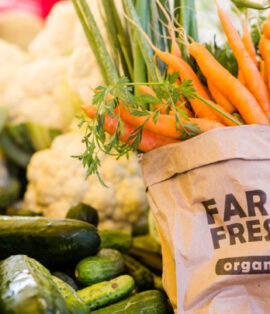
- Cucumbers
- Zucchini
- Beans
Fruits
- Melons
- Blueberries
Warm soil and long days fuel rapid growth.
Fall Planting (September–October)
Vegetables
- Kale
- Radishes
- Turnips
- Garlic
Fall crops benefit from cooler temperatures and fewer pests.
Winter Planning (November–February)
While outdoor planting slows, winter is perfect for:
- Planning next season
- Starting indoor herbs
- Preparing soil and beds
Planting Tips for Beginners
- Check frost dates
- Use quality soil
- Water consistently
- Choose healthy plants
- Start small and expand
Gardening with Local Plants
Buying plants locally ensures they’re suited to your climate and soil, increasing success rates.
Final Thoughts
Gardening becomes much easier when you plant at the right time. A seasonal approach leads to healthier plants, better harvests, and more enjoyment.